Emaar Properties in Dubai: Projects, Quality, and Insights for Investors
Emaar Properties in Dubai: Projects, communities, pricing, quality, service charges, and key factors for buyers and investors.
Last updated: September 2026
Emaar properties are among the most discussed options for German-speaking investors looking to invest in Dubai. This article provides an objective overview: projects, prices, risks, and quality criteria that should be evaluated before purchasing.
Key Insights (Quick Summary)
- Emaar Properties PJSC is one of the largest real estate developers in Dubai and the United Arab Emirates. Founded in 1997, it has a market capitalization of approximately 8 billion euros. The company develops apartments, villas, and townhouses across several master communities.
- Emaar properties do not automatically guarantee low entry prices or premium returns. Quality, yield, and resale potential vary depending on the specific project, location, and purchase price.
- Off-plan and ready properties differ in their risk and return profiles at Emaar: Off-plan offers payment plans and potentially lower entry prices, but carries construction and delay risks. Ready properties allow for immediate use or rental.
- Prices, service charges, and rental yields must always be verified on a project- and building-specific basis using sources such as the Dubai Land Department or Dubai REST.
- Further guides on topics such as buying property in Dubai, off-plan processes, or calculating yields can be found at blog.lifeinluxury.de.
Who is Emaar Properties?
Emaar Properties PJSC is a publicly traded company based in the Emirate of Dubai. The firm was established in 1997 by ministerial decree, with the government of Dubai as a stakeholder. Emaar is the largest private real estate developer in the UAE and has over 25 years of experience in property development. Emaar has shaped the face of Dubai since 1997 and played a decisive role in the development of Downtown Dubai.
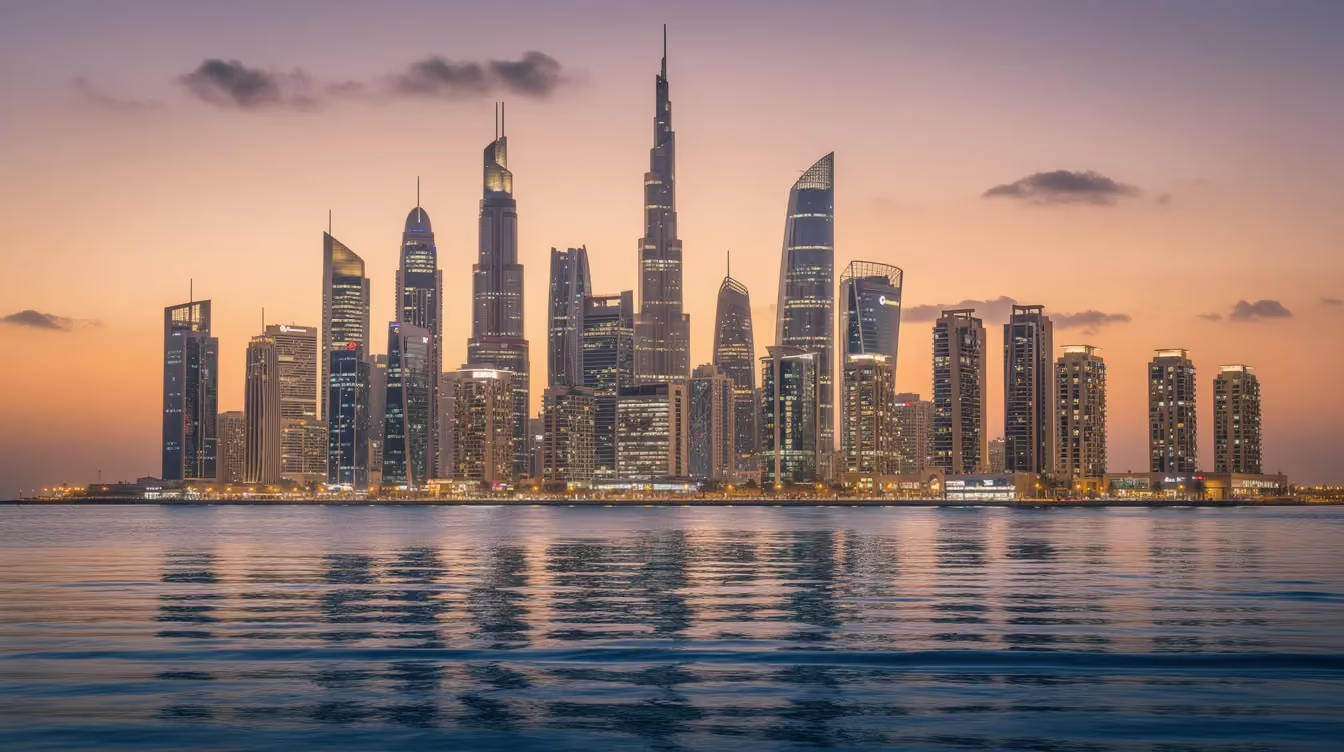
The company is known as a master developer, creating entire districts with residential, leisure, and commercial spaces. Landmark projects include the Burj Khalifa, the world's tallest building, and the Dubai Mall, the world's largest shopping center. Emaar develops projects in Downtown Dubai and Dubai Marina, and is active in the hospitality and retail sectors in addition to residential real estate.
The main business segments include residential properties, commercial and office spaces, shopping malls, hotels, and leisure. For investors from Germany, Austria, and Switzerland, the residential projects are particularly relevant, as these can be purchased as freehold property in designated zones. According to Emaar's investor relations pages, the company achieved real estate sales of approximately AED 26.6 billion and a net profit of AED 11.1 billion in H1 2026.

What kind of properties does Emaar offer in Dubai?
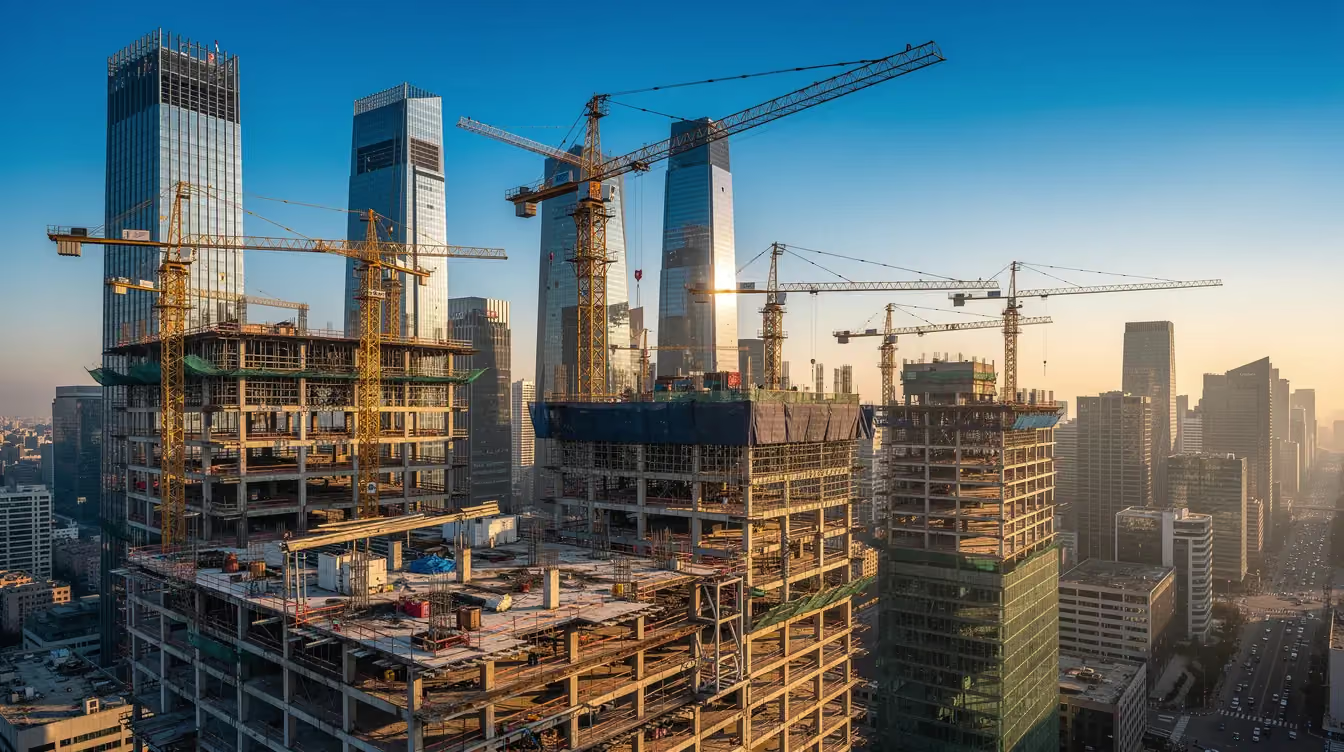
Emaar properties cover a wide spectrum of residential real estate. Not every project serves the same quality or price segment. Emaar projects include both ready-to-move-in and off-plan properties. The most important property types are:
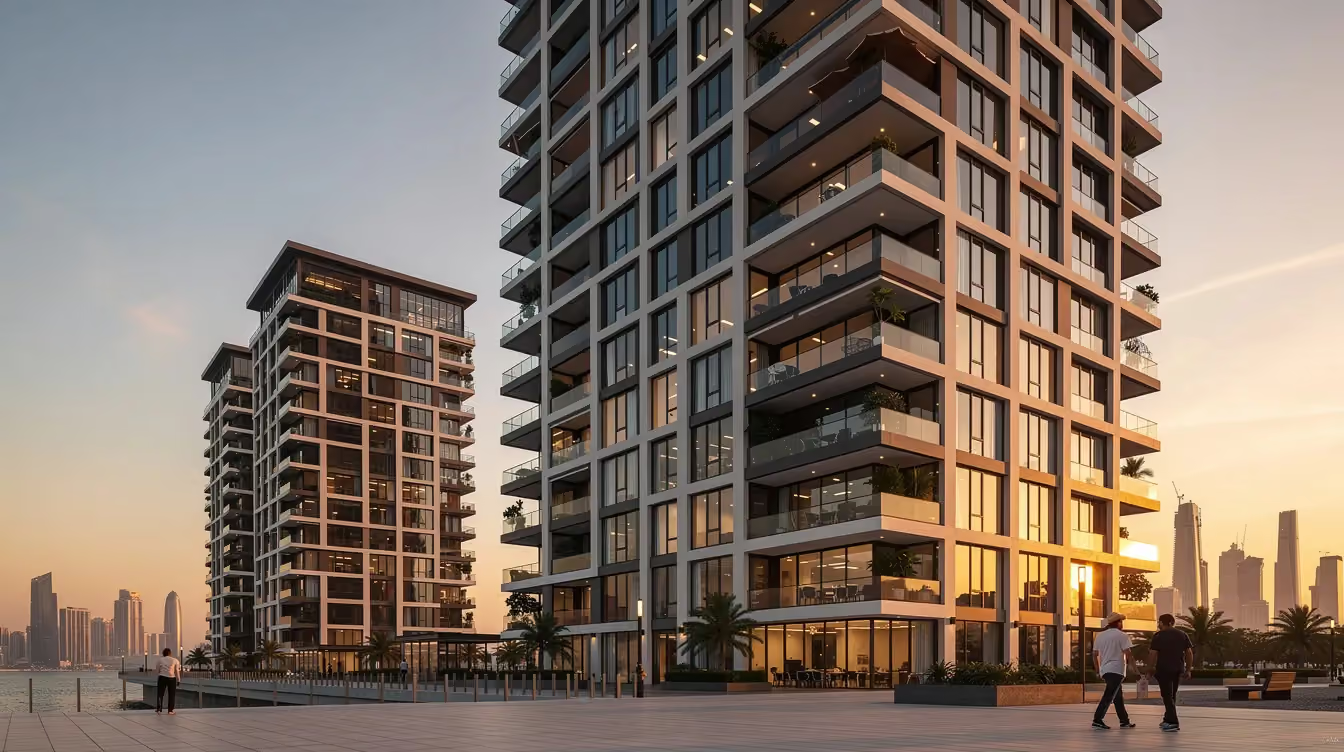
- Apartments (1 to 4 bedrooms, penthouses) in high-rise buildings, primarily in urban locations such as Downtown Dubai, Dubai Creek Harbour, and near Business Bay
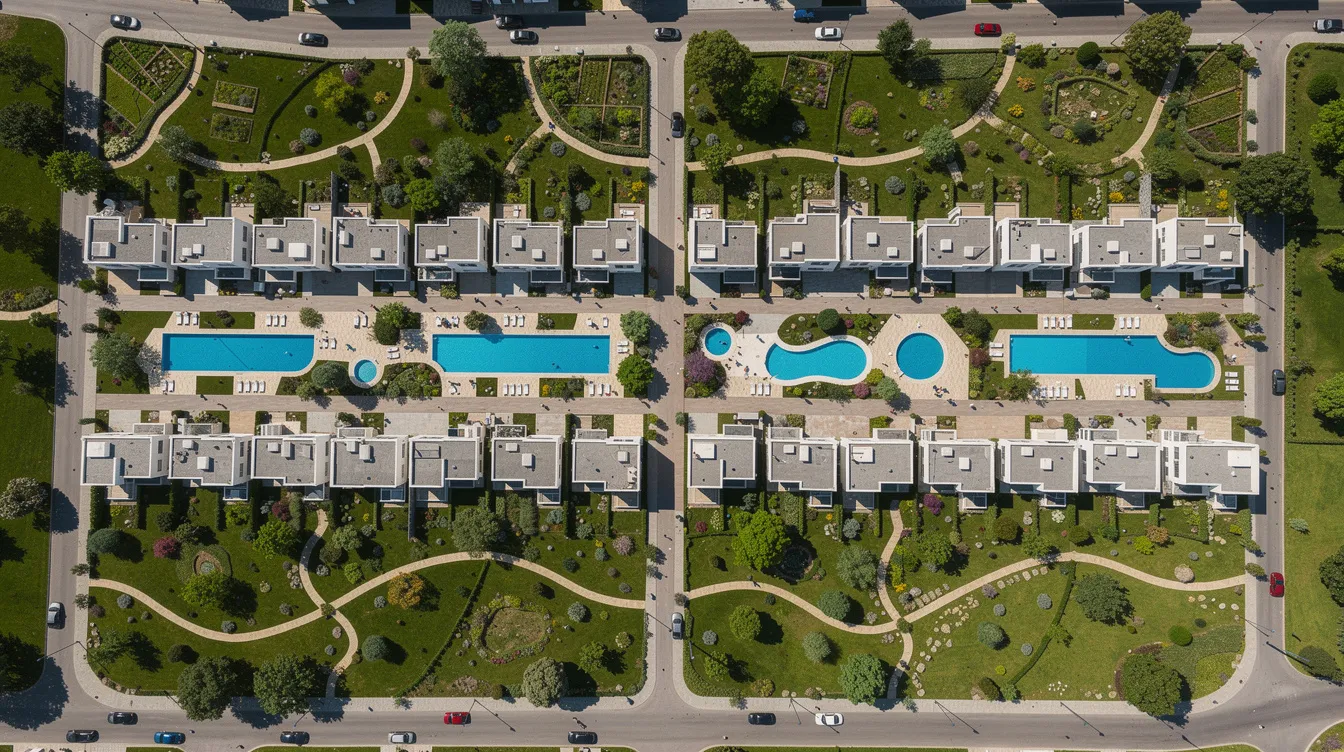
- Villas and townhouses in master communities such as Arabian Ranches, Dubai Hills Estate, and Emaar South
- Branded Residences in partnership with hotel brands (e.g., Address, Vida), available in selected projects in Downtown Dubai or Dubai Creek Harbour
Ready property refers to completed Emaar real estate in established communities; off-plan includes ongoing projects in Dubai Hills Estate, Dubai Creek Harbour, or new phases of other communities. Amenities, floor plan quality, and construction standards, including finishes, vary from project to project. Generalizations are not permissible when describing individual real estate projects.
In which communities is Emaar active?
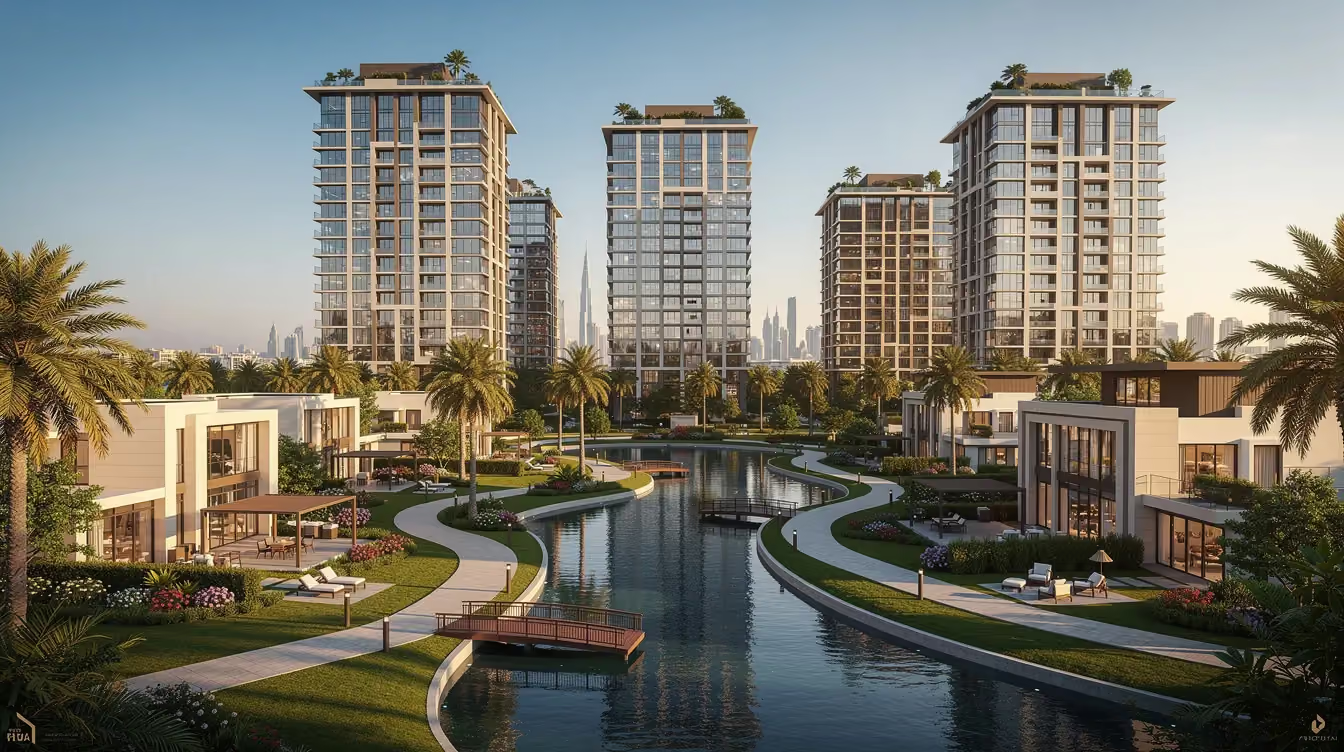
A master community is a fully planned neighborhood featuring residential, leisure, and infrastructure components. For investors, this planning offers a degree of predictability regarding the environment and target demographic.
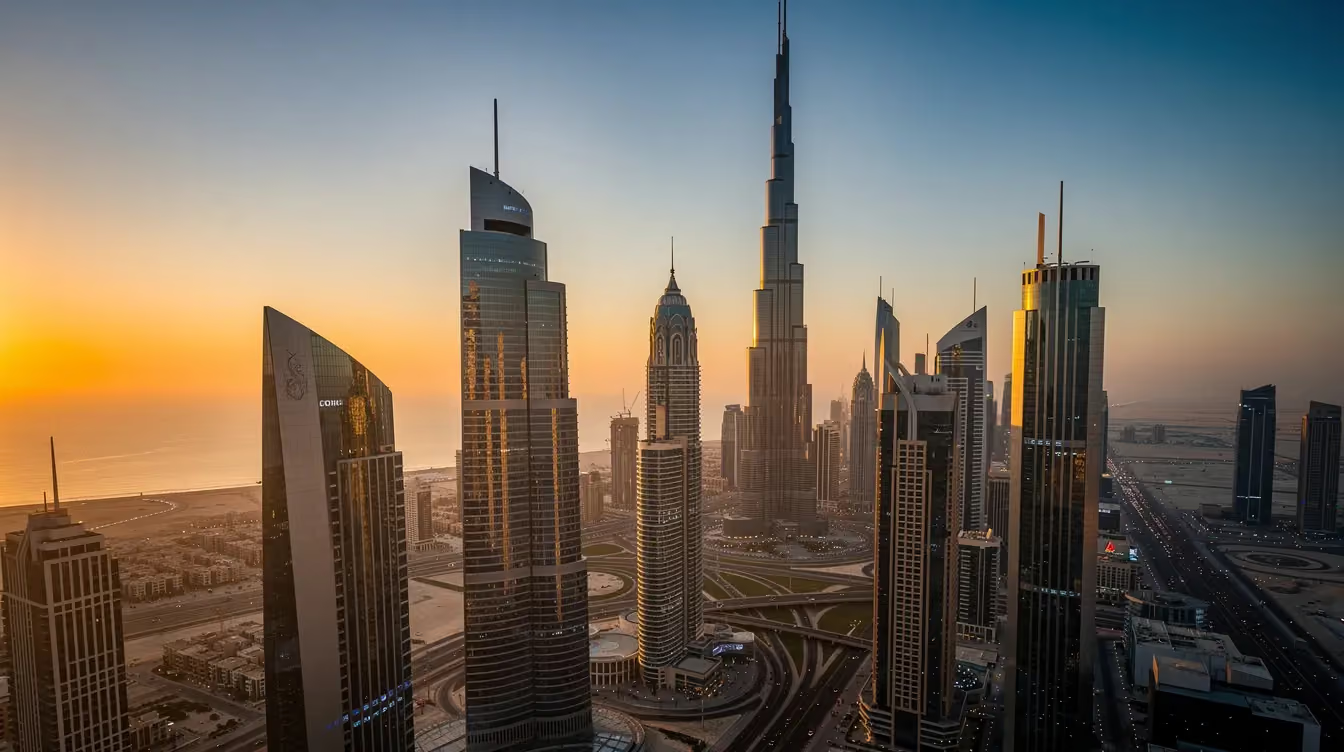
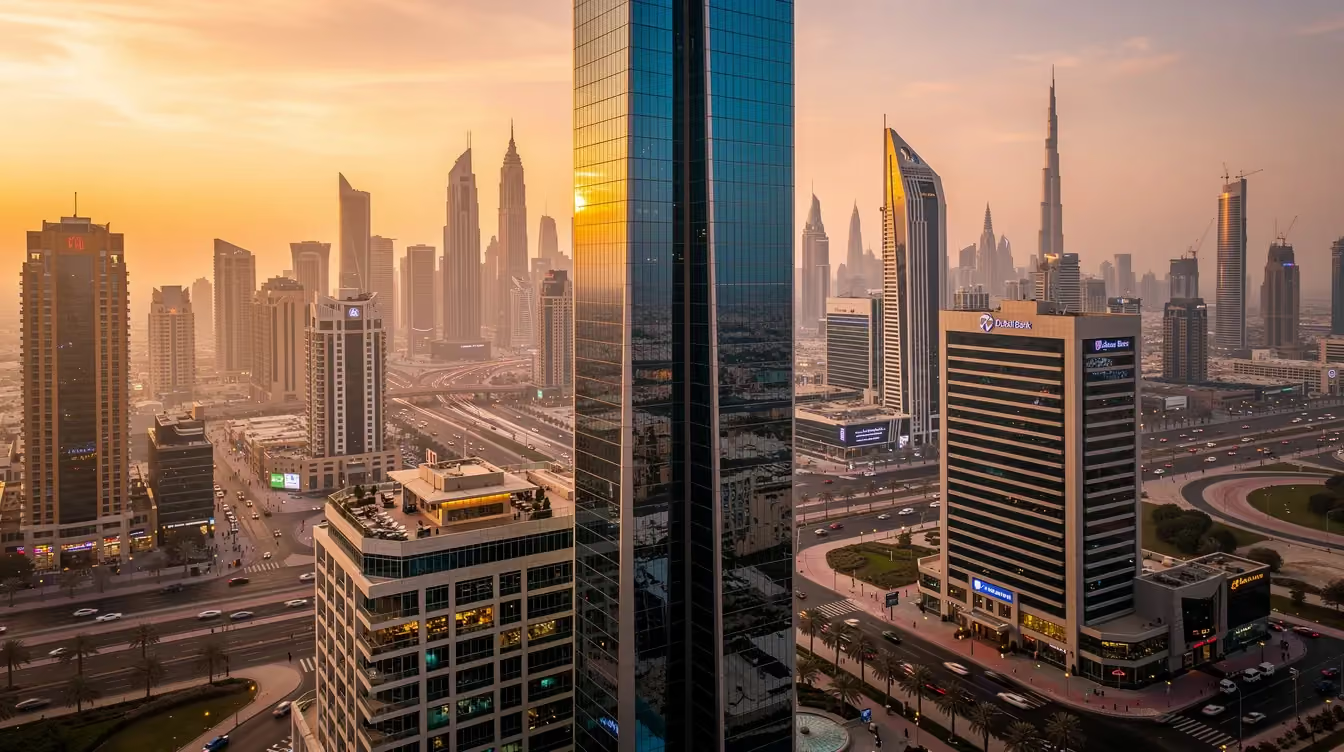
Downtown Dubai is Emaar's flagship community. Downtown Dubai is a renowned urban development project featuring the Burj Khalifa, The Dubai Mall, and The Dubai Fountain as landmarks and attractions. The district near the city center has a high proportion of apartments and serviced apartments. The micro-location within the district plays a major role; proximity to Sheikh Zayed Road, the metro, and restaurants influences rental prices and demand. Cultural institutions such as the Museum of the Future are also in the immediate vicinity.
Dubai Hills Estate spans approximately 2,700 acres between Downtown Dubai and Dubai Marina, featuring an 18-hole golf course, parks, shopping malls, and schools. The community offers a mix of villas, townhouses, and apartments. The focus is on families and long-term residents. Current new construction projects by Emaar include Emaar Beachfront and Dubai Hills.
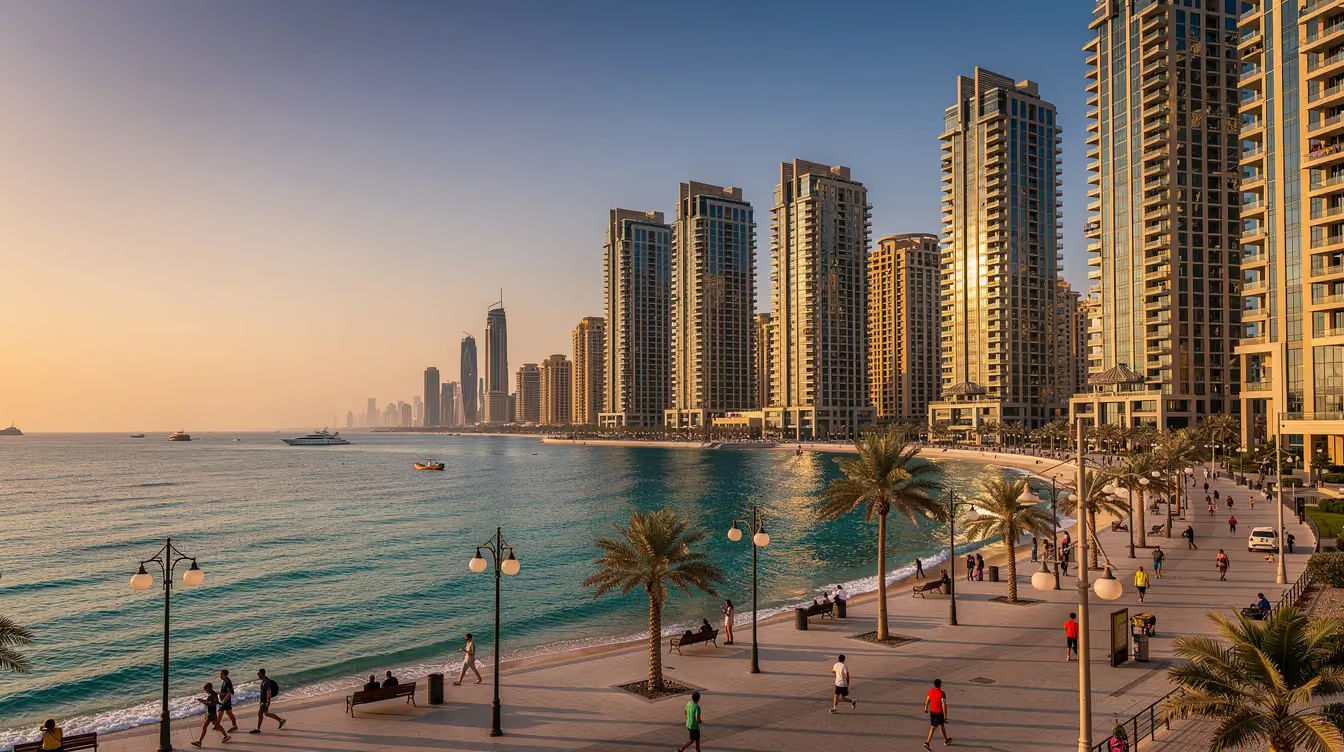
Dubai Creek Harbour is a waterfront community on the Dubai Creek, developed as a joint venture between Emaar and Dubai Holding. The focus is on apartments with views of the creek, the skyline, and natural areas. Projects such as Vida Residences and Address Harbour Point form a collection of diverse residential concepts.
Arabian Ranches (including Arabian Ranches 2 and 3) are villa and townhouse communities, strongly family-oriented, with schools and community centers. These projects can be attractive for long-term owner-occupiers and family rentals.
Emaar South is located near Al Maktoum Airport and Expo City. Off-plan projects with lower entry prices dominate here, expanding the selection for buyers with limited budgets.
Emaar projects are located in prime areas with good infrastructure. Emaar is known for developing integrated master communities. For distinction: areas such as Damac Hills 2 or Motor City are not Emaar projects and are the responsibility of other developers. Dubai is considered one of the safest cities in the world with a low crime rate, which strengthens safety as a location factor for all communities and is highlighted in many analyses regarding the security of real estate investments in Dubai .
How much does an Emaar property cost?
Prices for Emaar properties vary depending on the macro-location, micro-location within the project, size, floor, view, and condition. Concrete figures may only be provided using current, reliable sources.
There are three price categories to distinguish:
- Developer Starting Price: the price according to Emaar sales documents at the time of launch (off-plan)
- Listing Price: the asking price on portals or broker listings, which may be higher or lower than the actual transaction price
- Actual Transaction Price: the purchase price registered with the Dubai Land Department
Project/Community
Property Type
Metric
Period
Source
Dubai Creek Harbour
Apartments (all types)
Median AED 2,564/sqft
12 months to Sept. 2026
DLD via Dubai Pulse
Dubai Hills Estate
Apartments (1–3 BR)
AED 935,000 to AED 4.8 million
Current Listings
Property Finder
Dubai Hills Estate
Villas (3–5 BR)
From approx. AED 7.5 million
Current Listings
Property Finder
Investors should use Dubai REST and DLD transaction data to verify actual purchase prices within a community and compare them with the best areas for real estate investment in Dubai within the overall market. Currency conversions (AED to EUR) are always based on the current exchange rate and serve as a guide only. When purchasing, it is recommended to request official price lists from the developer or use the DLD index.
Emaar Off-Plan Properties
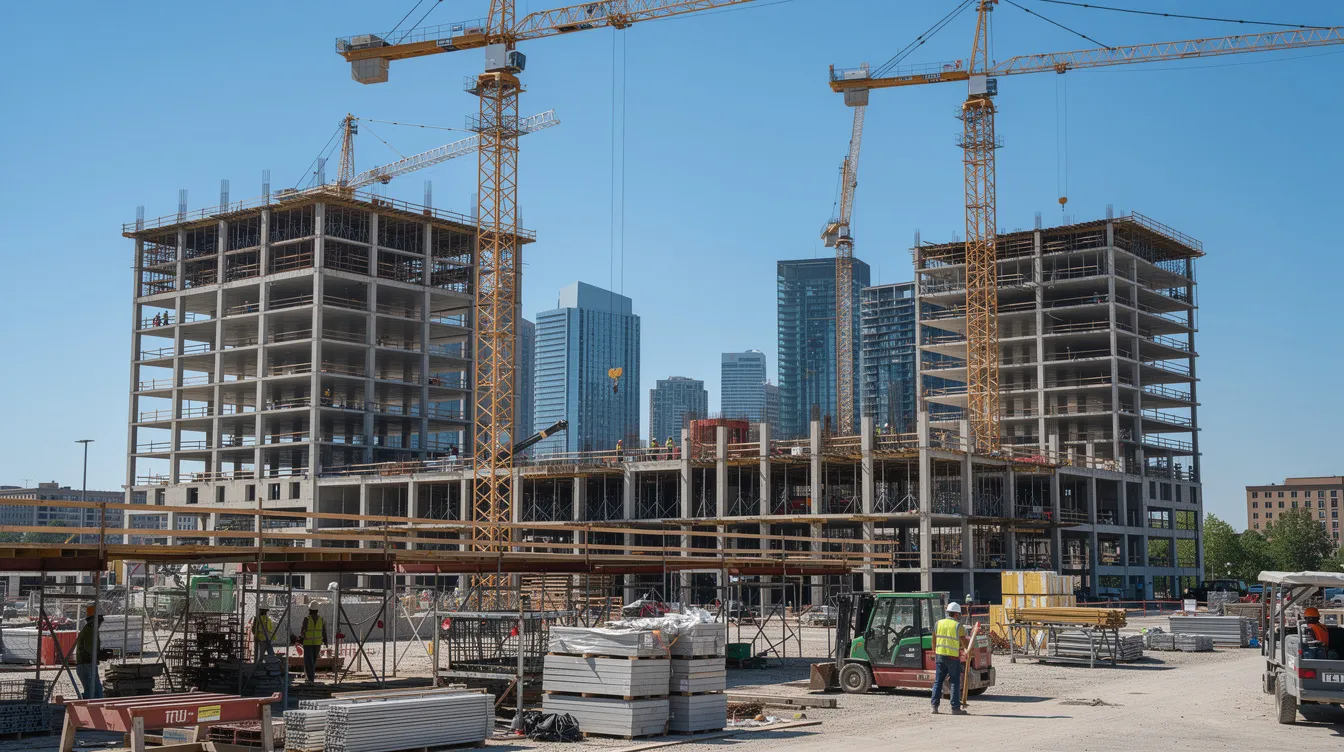
Emaar off-plan properties refer to purchases made before completion, either directly from the developer or from an initial buyer. Payment plans are based on construction progress. Down payments are typically 10 to 20 percent upon signing the contract. Regular partial payments are made according to defined construction milestones. The remaining balance is due upon final handover. Payment plans offer buyers liquidity advantages and reduce investment risks, as not all capital is tied up immediately.
The process begins with a reservation form and a booking amount, followed by the signing of the Sales and Purchase Agreement (SPA). The SPA specifies the payment plan, handover conditions, and default interest. If you do not intend to fund an off-plan purchase entirely with equity, you should clarify early on whether an off-plan mortgage in Dubai is an option. Every specific payment plan is project-specific and should only be taken from official Emaar documents.
Risks of off-plan: construction delays, changes to the master plan, and potential adjustments to community infrastructure. Financial obligations remain in effect even in the event of delays, provided this is contractually agreed upon. Notifications regarding construction progress can be obtained via official Emaar channels and Dubai REST.
Resale before completion (assignment) is possible in many Emaar projects, but depends on project-specific rules in the SPA. Often, a certain percentage of payments or construction progress must be reached. These clauses should be checked before purchasing, with legal advice if necessary.
Emaar Ready Property
Ready property refers to Emaar real estate that has already been completed and handed over. Examples include finished towers in Downtown Dubai or established parts of communities such as The Greens.
Checkpoints for existing properties:
- Year of construction and maintenance history of the building
- Condition of common areas (lobby, pool, gym, facades)
- History of service charges and any special assessments
The rental status is crucial: With "vacant on transfer," the property can be used immediately or re-let. Tenanted units come with existing lease agreements, the terms of which must be assumed in compliance with local rental laws.
Investors should estimate realistic rents based on DLD rental indices and actual asking rents. The difference between asking rent and the rents actually recorded in the register can be significant. Transaction comparables in the same community and building provide more reliable values than individual listings.
How do you evaluate the quality of an Emaar project?
Emaar properties are not automatically synonymous with consistent quality. Each community and building must be analyzed separately. Objective evaluation criteria:
- Macro location: Distance to business districts such as Business Bay, DIFC, the airport, and beaches; transport connections via roads and metro
- Micro location: Orientation of the unit, view (e.g., Burj Khalifa, water, park), distance to noisy roads
- Master plan: Proportion of green spaces and parks, integration of schools, healthcare, and shopping facilities
- Construction quality: Choice of materials in the lobby and units, quality of windows, insulation, soundproofing, and HVAC systems; architecture and design vary between projects
- Common areas: Pool, gym, playgrounds; capacity in relation to the number of units
- Management: Response time for maintenance requests, transparency in budgets; regular inspections maintain the value of the property
Floor plans should be checked for efficient layouts: usable area vs. circulation space, brightness, window orientation, and balcony quality. For larger investment amounts, professional due diligence with technical support (e.g., technical surveys) is recommended.
Service Charges for Emaar Properties
Service charges are annual operating costs per square foot for the operation and maintenance of common areas. They directly impact the net yield of a property.
There is no standard service charge rate at Emaar. Fees depend on:
- Building type and amenities (luxury tower with concierge vs. standard residential complex)
- Location (central high-rise locations vs. townhouse communities on the outskirts)
- Scope of services (24/7 security, landscaping, extensive facilities)
Emaar buildings are managed by the company Emrill, which is 51 percent owned by Emaar. Property management firms handle maintenance and security services while providing transparent management costs. Emaar pursues a long-term approach to maintenance and value preservation for its communities.
Reliable data is provided by the official Dubai Land Department Service Charge Index, which can be accessed for specific buildings and communities. Investors should request the latest service charge statements directly from the community management. Generalizations such as "Emaar has low service charges" or "Emaar is always expensive" are not reliable; each building must be considered individually.
Rental yield on Emaar properties
Rental yield does not depend on the developer's name, but rather on the purchase price, rental level, cost structure, and holding period.
- Gross rental yield: Annual rent divided by purchase price
- Net rental yield: (Annual rent minus service charges, operating costs, vacancy, management fees, financing costs) divided by invested capital
In Dubai Creek Harbour, the gross yield based on DLD data is around 6 percent (median annual rent AED 135,000, median purchase price AED 2.25 million). Yield calculations based on listings are often lower, as asking prices are higher than transaction prices.
City locations like Downtown Dubai or Dubai Creek Harbour can command high rents, but also come with higher service charges. Family communities like Dubai Hills Estate or Arabian Ranches allow for more stable, long-term tenancies with individuals and families seeking a quiet life in a quality environment. The number of comparable units in a community influences the achievable rent.
Off-plan investments follow a different yield logic: no rental income initially, but potentially lower entry prices. The risk of construction delays can push back the start of rental income. Every yield forecast contains assumptions; market cycles and exchange rates (AED/EUR) have an impact.
Resale and exit potential
The exit strategy should be defined before purchasing. Key factors:
- Supply and demand situation: Number of similar units, new phases, and their completion within the community
- Community maturity: Fully developed communities vs. new off-plan areas with planned amenities
- Popularity of specific locations: Certain towers, orientations, or views (e.g., Burj Khalifa view) can be favorites among buyers
In Dubai Creek Harbour, DLD data from H1/2026 showed that 92 percent of resales were above the original purchase price, with a median profit of around 25 percent. Emaar properties often possess higher liquidity and stable prices on the secondary market. However, these figures are no guarantee of future performance.
For off-plan properties, resale restrictions according to the SPA must be observed. The distinction between an assignment (transfer of the off-plan contract) and the sale of a completed unit is significant. The history of the Dubai real estate market shows phases of strong price appreciation and corrections. Exit scenarios should be calculated using conservative assumptions.
What risks should buyers consider?
Risk transparency instead of sales rhetoric: Even with an established developer like Emaar, a real estate investment is not a one-way street.
- Market risk: Cyclical price development in Dubai; influence of global interest rates, oil prices, and regional geopolitics on capital inflows. Investors from the DACH region, the USA, or other countries react differently to such developments.
- Project-specific risks: Higher entry prices in premium locations that limit yield potential; possible discrepancies between marketing materials and the actual handover
- Service charge risk: Rising operating costs, special assessments for major repairs
- Financing and payment risks: Off-plan installments must be met even during a market correction; interest rate risk with Debt financing of Dubai real estate
- Construction and handover risk: Delays compared to announced dates; plan for a financial liquidity reserve
- Liquidity risk: Varying resale speeds depending on location, unit type, and market phase
- Brand perception: The risk of paying a premium due to Emaar's strong reputation that does not translate 1:1 into resale value.
Emaar vs. other Dubai developers
Many investors compare Emaar properties with alternatives to make their choice. No real estate developer is "better" across the board.
DAMAC: A developer with communities like Damac Hills 1 and Damac Hills 2. Damac Hills offers villas starting from 1 to 2 million euros. Most properties in Damac Hills are for sale, not for rent. DAMAC Properties as a luxury real estate developer focuses heavily on golf and resort living, while Emaar focuses on large urban districts with their own infrastructure.
Sobha Realty: Focuses on high-quality finishing standards and projects like Sobha Hartland. A detailed comparison of key developers can be found in the Dubai developer comparison: Emaar, Sobha, Nakheel & Co.. Both developers have their own strengths; investors must decide which community structure and quality level fits their strategy.
Binghatti: Design-oriented towers in districts like Business Bay or Jumeirah Village Circle. Unlike Emaar, Binghatti relies less on large master communities with their own infrastructure. Slightly lower entry prices are possible, but this often comes at the expense of the depth of community planning, as comparisons with Meraas as a developer of luxury communities in Dubai show.
Diversification across multiple developers and communities can be sensible if total assets allow for it; for investors looking for resort and waterfront communities outside of Emaar, a project like DAMAC Lagoons Dubai as a lifestyle community can be a complementary component.
For which strategy can Emaar properties be attractive?
There is no "one best" strategy. Depending on the project type, Emaar properties can play different roles in your portfolio.
- Personal use: Communities such as Dubai Hills Estate as a sustainable master community or Arabian Ranches offer proximity to schools, short commutes to the Business Bay or DIFC office districts, and a wide range of leisure activities. As a city, Dubai offers individuals and families a safe living environment with culture, restaurants, and desert experiences to enjoy.
- Long-term rental: Focus on communities with stable demand. Choose units with a balanced ratio of purchase price, service charges, and achievable rent to actually realize the return potential described in many analyses of the profitability of Dubai real estate investments .
- Off-plan investments: Entry during early project phases with payment plans; consider risk and liquidity profiles.
- Premium positioning: Units with special features (waterfront, skyline view) for investors looking to combine lifestyle with capital investment.
- Long-term holding: Hold for 7 to 10 years to offset market fluctuations; sustainable maintenance and community management are part of the success over this period.
A visa program such as the Golden Visa can be linked to the purchase if the investment amount is sufficient; for this, always consult the latest information on the blog.lifeinluxury.de website.
Checklist before buying an Emaar property
This checklist serves as an overview that you should tick off point by point before signing the SPA.
- [ ] Project and community: Verify the exact project name and developer (Emaar Properties Dubai); check the master plan and infrastructure in official documents
- [ ] Unit and Floor Plan: Review the unit type, size, and orientation in detail; consider the location of shafts, elevators, and parking spaces
- [ ] Price and Costs: Confirm the official purchase price; obtain current and historical service charges; clarify tax implications in your country of residence (e.g., via a consultation with a tax advisor)
- [ ] Payment Plan and Financing: Fully understand the payment plan; clarify financing options and currency risks
- [ ] Contractual Documents: Read the SPA in full; check resale clauses and handover conditions (snagging, defect rectification)
- [ ] Rent and Yield: Validate rental assumptions using DLD indices; calculate gross and net yields using conservative parameters
- [ ] Exit Strategy: Define holding periods and sales scenarios; analyze positioning in competition with comparable projects
Anything that cannot be verified with official sources should be questioned.

FAQ
The following questions summarize the most common concerns of German-speaking investors regarding Emaar properties.
Who is Emaar Properties?
Emaar Properties PJSC is a publicly traded real estate developer based in Dubai, founded in 1997. The company has played a central role in projects such as Downtown Dubai, the Burj Khalifa, and the Dubai Mall. In addition to residential projects, Emaar develops malls, hotels, and mixed-use real estate. The content of this article focuses on residential properties in Dubai. Further details can be found on the official Emaar website.
What Emaar projects are there in Dubai?
Key communities include Downtown Dubai, Dubai Hills Estate, Dubai Creek Harbour, Arabian Ranches, and Emaar South. Within these communities, there are numerous sub-projects and towers that differ in price point, location, and target audience. The official Emaar project page and DLD transaction data provide a reliable overview.
Are Emaar properties freehold?
Many Emaar projects are located in designated freehold zones where foreigners can acquire full ownership. The classification into freehold and leasehold areas is determined by the Dubai government and must be verified on a case-by-case basis via the DLD or Dubai REST. Before signing the SPA, you should legally clarify which form of ownership applies to the desired unit.
How high are the service charges for Emaar properties?
There is no uniform service charge rate for all Emaar buildings. Reliable information is always building- or community-specific. The official DLD Service Charge Index provides reliable data. Current fee statements should be requested directly from the community management.
Can you resell an Emaar off-plan property before completion?
Reselling before completion (assignment) is generally possible in many Emaar projects, but it depends on the clauses in the respective SPA. Often, a certain percentage of payment or construction progress must be reached. The exact thresholds vary between projects. If you are unsure, it is advisable to consult a specialized lawyer before proceeding with the purchase.

Lukas Reinhardt
Editorial team
Lukas Reinhardt is a real estate writer focusing on international residential properties, investment locations, and the Dubai real estate market. He covers purchasing processes, location factors, market trends, and the regulatory framework relevant to buyers and investors from the DACH region.

Individual financing for Dubai real estate
We work with selected partner banks in the UAE and structure your financing individually — tailored to your budget, equity and investment goals.
100% no obligation
Investment advice for Dubai real estate
We analyze which projects offer the best potential for long-term rental income or sustainable capital appreciation. Whether off-plan or ready-to-move, we develop a clear investment strategy tailored to your specific situation.
Personalized investment strategy for Dubai real estate
Develop a tailored investment strategy for real estate in Dubai based on your needs, goals and risk profile. Get clear advice to get the best return on investment.
100% non-binding